How AI Speaker Tracking and Beamforming Microphones Transform Hybrid Collaboration
Explore how advanced PTZ optics with voice localization and ceiling beamforming arrays eliminate meeting fatigue and bring remote participants directly into boardroom discussions.
The Challenge of Equal Presence in Hybrid Workspaces
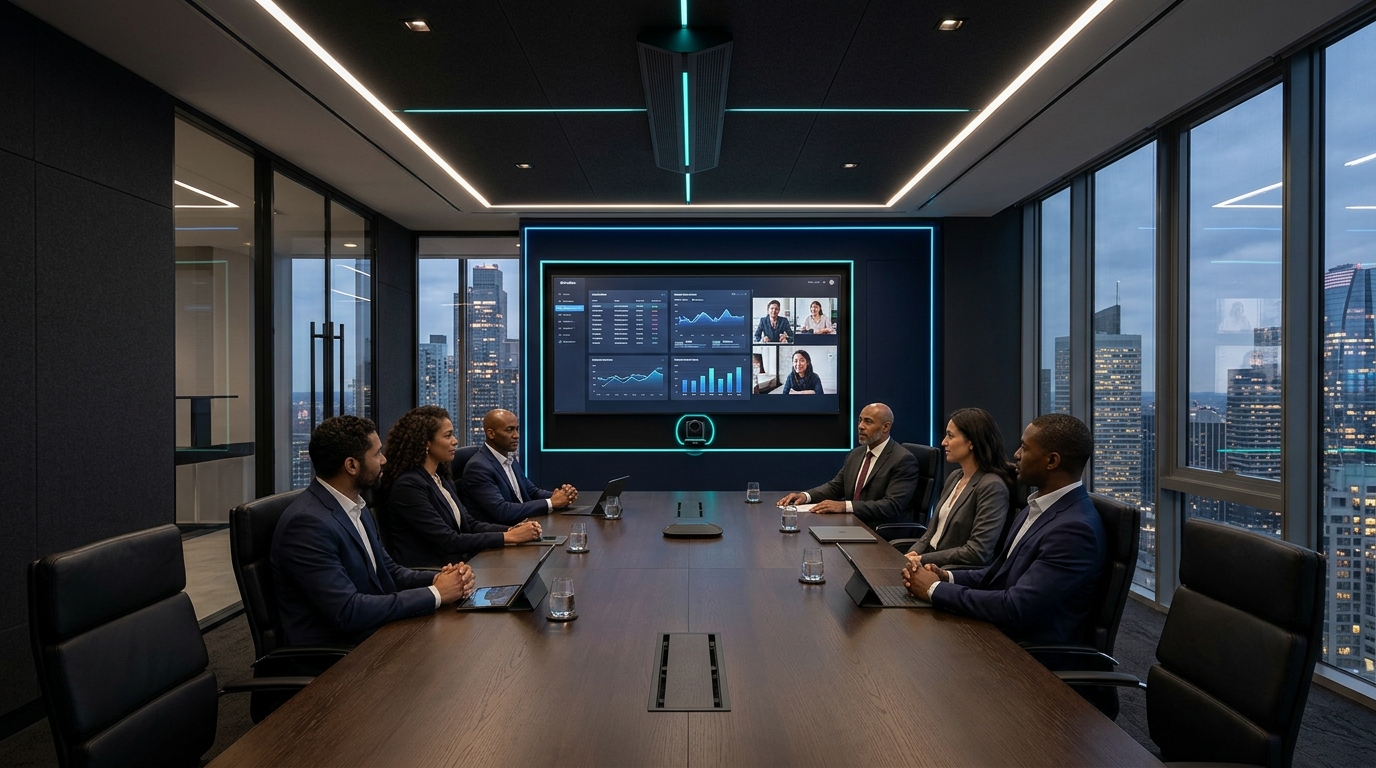
As organizations transition to hybrid working models, meeting rooms must accommodate both in-person participants and remote team members. When remote participants struggle to identify who is speaking or hear faint voices from the far end of the conference table, engagement deteriorates rapidly.
1. Optical PTZ Cameras with AI Voice Localization
Modern video conferencing terminals, such as the Horion HB-100A, utilize dual-camera systems combining a wide-angle 4K panoramic camera with an optical Pan-Tilt-Zoom (PTZ) sensor. Built-in neural processing engines track facial biometrics and triangulate acoustic signals:
- Auto-Framing: Automatically adjusts the zoom field to comfortably seat all present attendees in the frame when meeting begins.
- Speaker Tracking: Seamlessly transitions the optical zoom directly to the active speaker, allowing remote viewers to read expressions and gestures with zero manual camera operator intervention.
2. Beamforming Ceiling Microphones
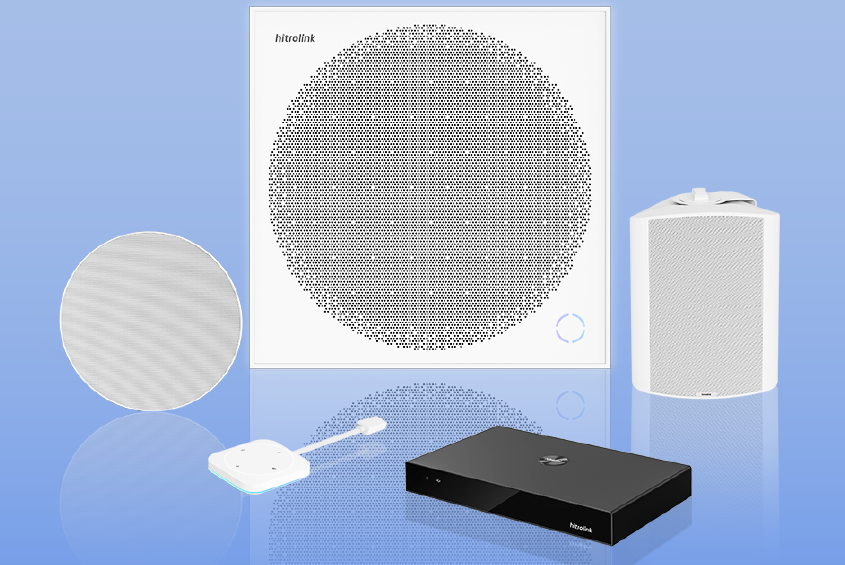
Traditional tabletop gooseneck microphones clutter table space and capture unwanted paper shuffling and laptop keystrokes. Beamforming microphone arrays mounted flush in the ceiling create dynamic acoustic pick-up zones. Using Digital Signal Processing (DSP), the array steers virtual directional beams toward the speaker while actively canceling HVAC rumble, room reverberation, and ambient acoustic noise.
Planning an AV Upgrade for Your Organization?
Our certified systems engineers are available to review your architectural drawings and recommend tailored solutions.
Recommended AV Hardware for this Solution
Turn-key enterprise hardware featured in this implementation guide.